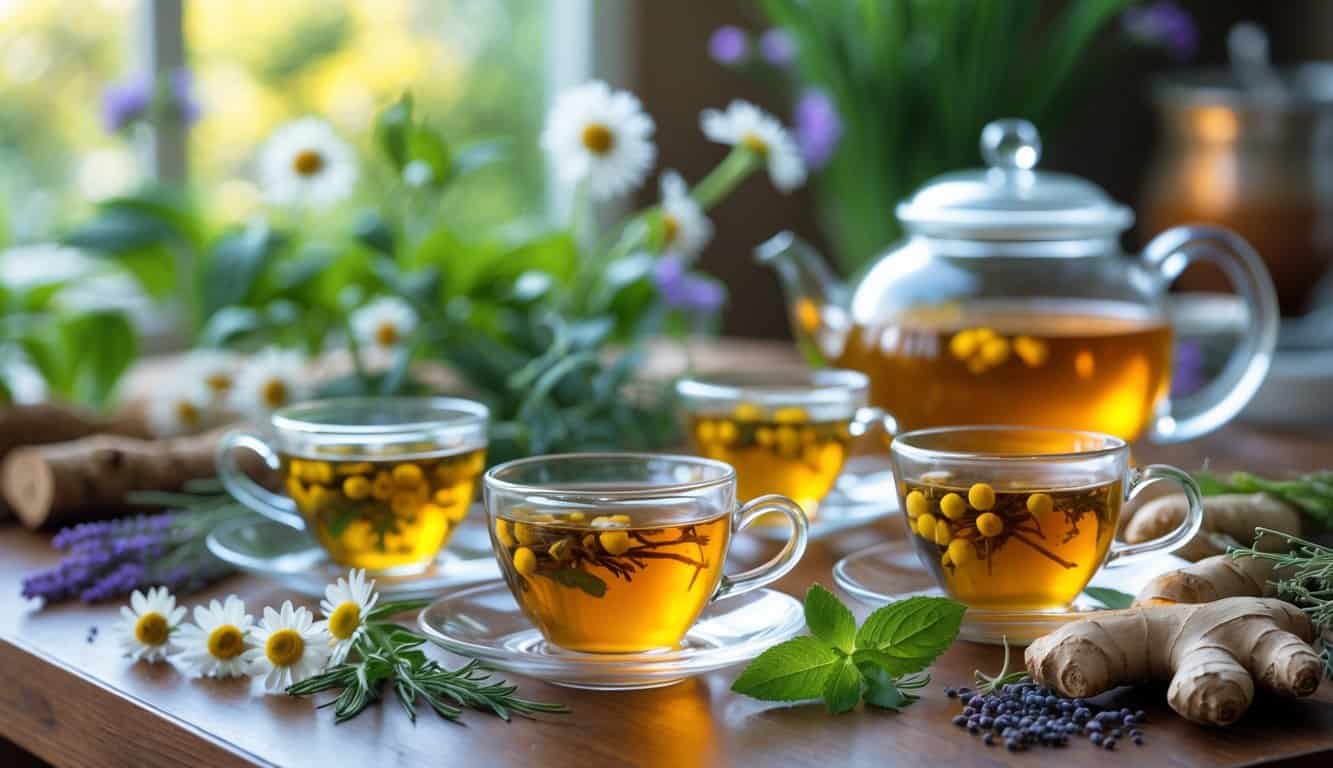
Herbal teas have become a popular choice for those seeking natural ways to support health and well-being without relying on medication. Unlike traditional teas made from the tea bush, herbal teas are infusions of leaves, flowers, seeds, or roots, each offering unique flavors and health benefits.
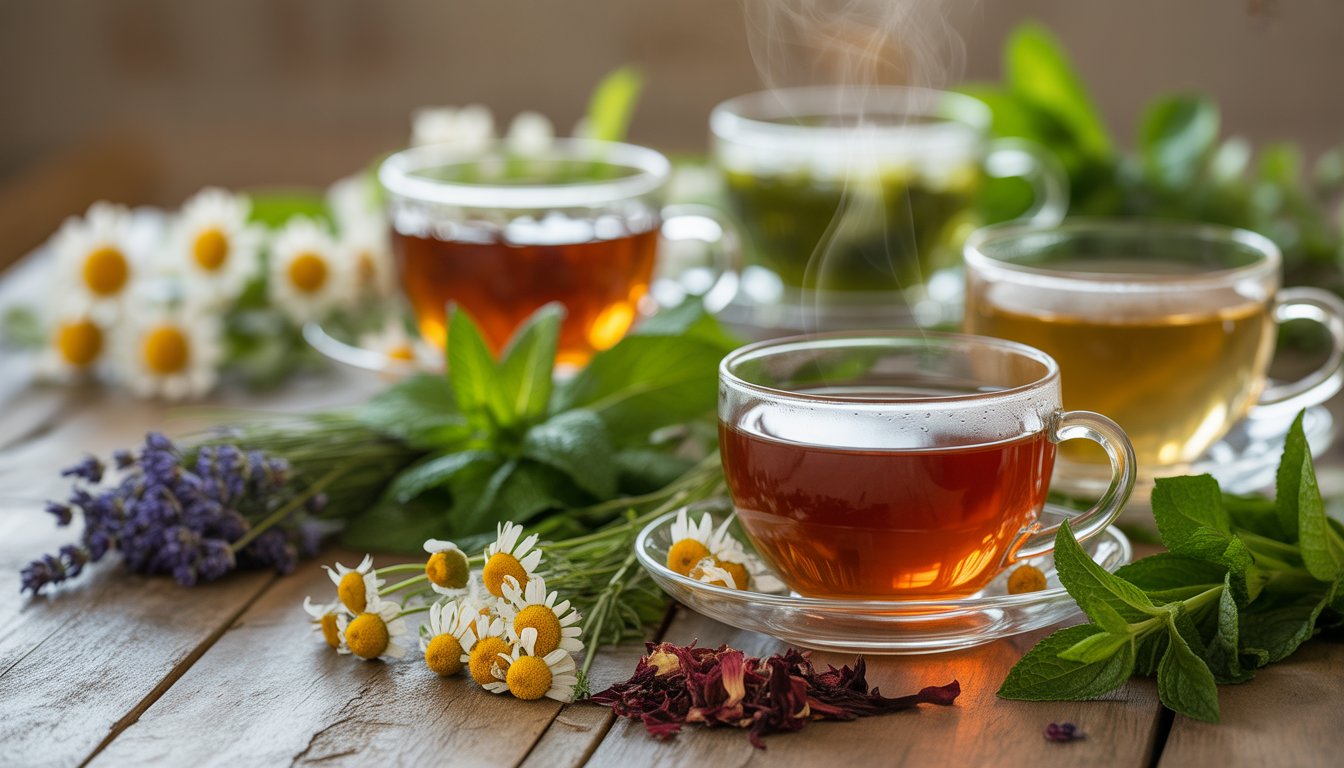
I’ve found that herbal teas can aid digestion, reduce stress, boost immunity, and improve sleep, making them a versatile and enjoyable addition to daily routines. Exploring different types, from chamomile to ginger, can help you discover which blend works best for your specific needs.
Whether you’re looking for a calming drink or something to support your digestion, herbal teas offer therapeutic properties backed by both tradition and science. I’ll share insights on popular varieties, their benefits, and how to brew them to get the most from every cup. Learn more about herbal teas and their benefits at this detailed guide.
Introduction to Herbal Teas
Herbal teas offer an alternative to traditional teas by using a wide range of plant materials. They vary by ingredients, preparation methods, and cultural significance, each bringing distinct qualities to the cup.
What is herbal tea?
Herbal tea, also called tisane, is a beverage made by steeping herbs, flowers, fruits, seeds, or roots in hot water. Unlike traditional tea, it contains no leaves from the Camellia sinensis plant, so it is typically caffeine-free.
Herbal teas provide diverse flavors and can serve purposes beyond taste, such as relaxation, digestion support, or mild therapeutic effects. Common examples include chamomile, peppermint, and ginger tea. The variety depends on the plant parts used and how they are processed before brewing.
Tea types and definitions
The term “herbal tea” covers a broad category often called herbal infusions or tisanes. These differ from true teas—black, green, white, or oolong—that come specifically from the Camellia sinensis plant.
Herbal infusions use leaves, flowers, roots, or spices from many plants. I recognize three main types:
- Infusions: Steeping soft plant parts like flowers or leaves in hot water.
- Decoctions: Boiling harder parts like roots or bark to extract flavors.
- Blends: Mixing various herbs or spices for custom flavors and effects.
The term “tea” here is used loosely, as herbal varieties do not share the botanical origin of traditional teas but fulfill similar beverage roles.
Etymology and history
The word “tea” originally referred to the Camellia sinensis drink but broadened to include herbal infusions over time. The name “tisane” comes from medieval Latin ptisane, meaning barley water or a medicinal drink.
Herbal teas have been used globally for thousands of years. Cultures across Asia, the Middle East, and Europe developed their own herbal blends for medicinal and social use.
Historically, herbal teas functioned as remedies before modern medicine and remain important in traditional healing practices around the world today. Their use spans comfort, ritual, and wellness.
For more detailed historical and botanical insights, see sources like the Herbal tea Wikipedia page.
Popular Herbal Tea Varieties
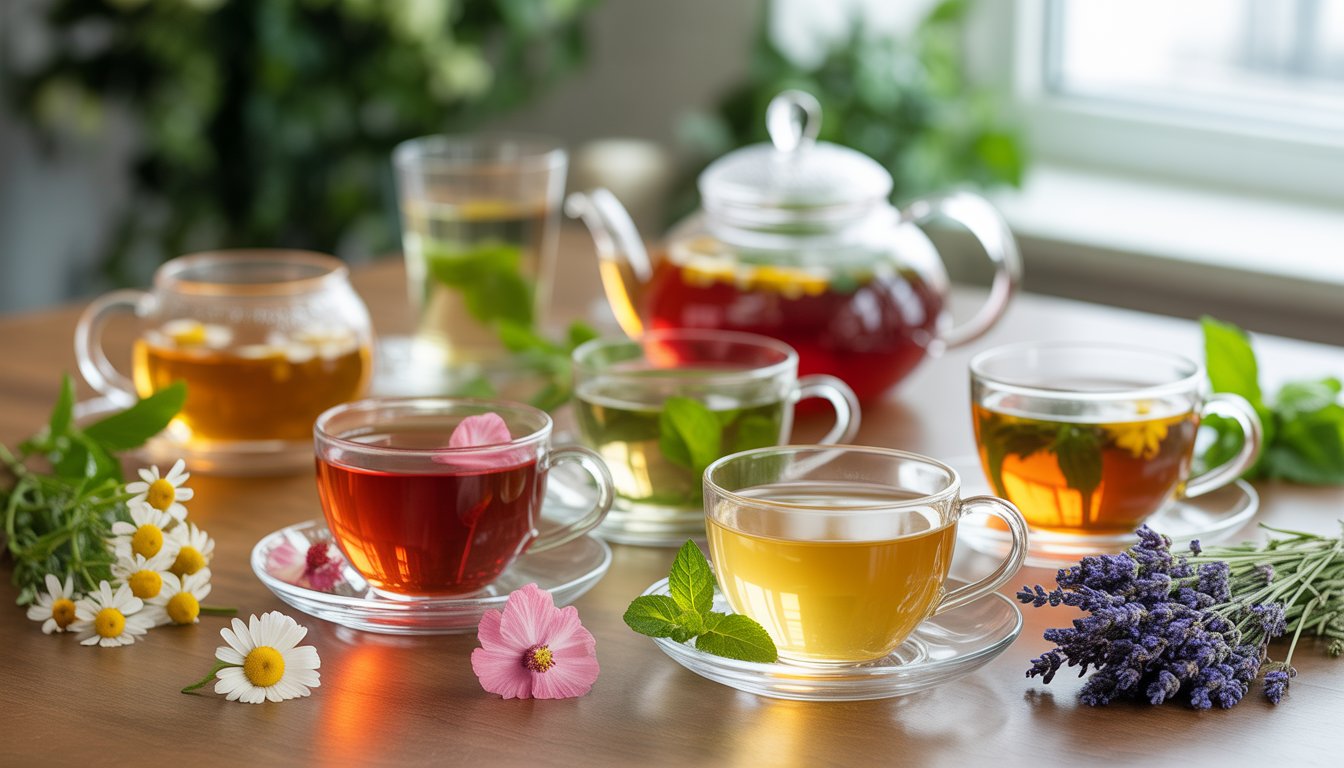
Herbal teas differ widely in flavor, aroma, and health effects. Some focus on relaxation and sleep, others on digestion or inflammation. Many also carry distinct cultural significance or traditional uses.
Chamomile tea
Chamomile tea is well known for its gentle sedative effects. Made from dried chamomile flowers, it has a mild, apple-like taste. People often drink it to support relaxation and improve sleep quality. Its anti-inflammatory properties can help soothe stomach discomfort too. I find chamomile useful when I want a calming drink without caffeine or strong flavors.
Peppermint tea
Peppermint tea offers a refreshing and cool flavor. It is widely used to support digestion and ease symptoms like bloating and nausea. The menthol in peppermint acts as a muscle relaxant on the gastrointestinal tract. I often drink peppermint tea after meals to help digestion and reduce any stomach cramps.
Ginger tea
Ginger tea has a spicy, warming taste and strong anti-inflammatory qualities. It is popular for reducing nausea, aiding digestion, and relieving cold symptoms. I appreciate ginger tea when I need immune support or relief from gastrointestinal upset. It also helps improve circulation and can reduce muscle soreness.
Hibiscus tea
Hibiscus tea is bright red with a tart, cranberry-like flavor. It contains antioxidants and may help lower blood pressure. Drinking hibiscus tea regularly can support heart health and provide vitamin C. I enjoy it iced or hot for a uniquely refreshing, fruity beverage.
Echinacea tea
Echinacea tea comes from the echinacea plant’s leaves and flowers. It is traditionally used to boost the immune system and may shorten cold duration. I take echinacea tea during cold season to potentially support my body’s defense against infections.
Rooibos tea
Rooibos is a South African herbal tea with a naturally sweet, nutty flavor. It is caffeine-free and rich in antioxidants. Rooibos supports skin health, reduces inflammation, and may improve cardiovascular health. I like rooibos for its smooth taste and health benefits, especially in the afternoon or evening.
Sage tea
Sage tea has a robust, earthy flavor and is often used for its antimicrobial and antioxidant properties. It may support cognitive function and help soothe sore throats or digestive issues. I use sage tea when I want a strong, herbal infusion that can calm inflammation.
Lemon balm tea
Lemon balm tea features a bright, lemony aroma and mild sweetness. It is known for its calming effects and ability to reduce stress and anxiety. Lemon balm can support sleep and ease digestive discomfort. I drink it when I need gentle relaxation or mental clarity.
Rose hip tea
Rose hip tea is made from the fruit of the rose plant and tastes tangy and slightly floral. It is rich in vitamin C and antioxidants, which can support immune health and skin vitality. I incorporate rose hip tea into my routine to boost antioxidant intake naturally.
Passionflower tea
Passionflower tea has a mild floral flavor and is used primarily for anxiety and sleep disorders. It may increase levels of gamma-aminobutyric acid (GABA) in the brain, promoting relaxation. I prefer passionflower tea in the evening to unwind and improve sleep quality.
Masala / Chai Tea
Masala chai is a spiced herbal tea blend traditionally made with black tea, cinnamon, cardamom, cloves, and ginger. It has a warming, aromatic taste and stimulates digestion and circulation. Though chai often contains caffeine, the spices provide anti-inflammatory benefits. I enjoy masala chai for its rich flavor and comforting qualities.
Lemongrass Tea
Lemongrass tea has a fresh, citrusy flavor with subtle grassy notes. It is often used to reduce inflammation, promote digestion, and act as a natural diuretic. Lemongrass also has mild antimicrobial properties. I drink lemongrass tea to refresh myself and support digestive health.
Tongkat Ali Tea
Tongkat Ali is a root traditionally consumed to boost male vitality and energy. The tea made from Tongkat Ali is slightly bitter with earthy undertones. Some studies suggest it may enhance libido and hormone balance. I use Tongkat Ali tea selectively when focused on improving physical performance.
Misai Kucing Tea
Misai Kucing, or “Cat’s Whiskers,” is a Southeast Asian herb brewed as tea for its anti-inflammatory and diuretic effects. It has a mild, slightly bitter taste and is often used to support kidney health and urinary tract function. I consume Misai Kucing tea to assist in detoxification and reduce fluid retention.
Kacip Fatimah Tea
Kacip Fatimah is a traditional Malay herb used primarily by women to support hormonal balance and reproductive health. The tea has a somewhat earthy and bitter flavor. It is believed to ease menstrual discomfort and menopausal symptoms. I appreciate this tea for its targeted benefits in women’s wellness.
Turmeric
Turmeric tea features a golden color and an earthy, slightly bitter taste. It’s rich in curcumin, known for anti-inflammatory and antioxidant effects. Drinking turmeric tea may support joint health, digestion, and immune function. I often add black pepper or ginger to boost turmeric’s absorption and flavor.
Valerian
Valerian tea is made from the valerian root and has a strong, earthy aroma. It is widely used to promote relaxation and improve sleep quality. The effects can be sedating, so I reserve valerian tea for nights when I need deep rest.
Kava
Kava tea is brewed from the root of the kava plant and has a mild, earthy flavor. It is traditionally consumed in the South Pacific for its calming and anxiety-reducing effects. Kava can promote muscle relaxation and mild euphoria. I use kava tea sparingly due to its potent effects and potential interactions.
For detailed benefits and brewing tips on these teas, see more at Best Herbal Tea Flavors: Discover the Most Popular Teas.
Health Benefits and Uses
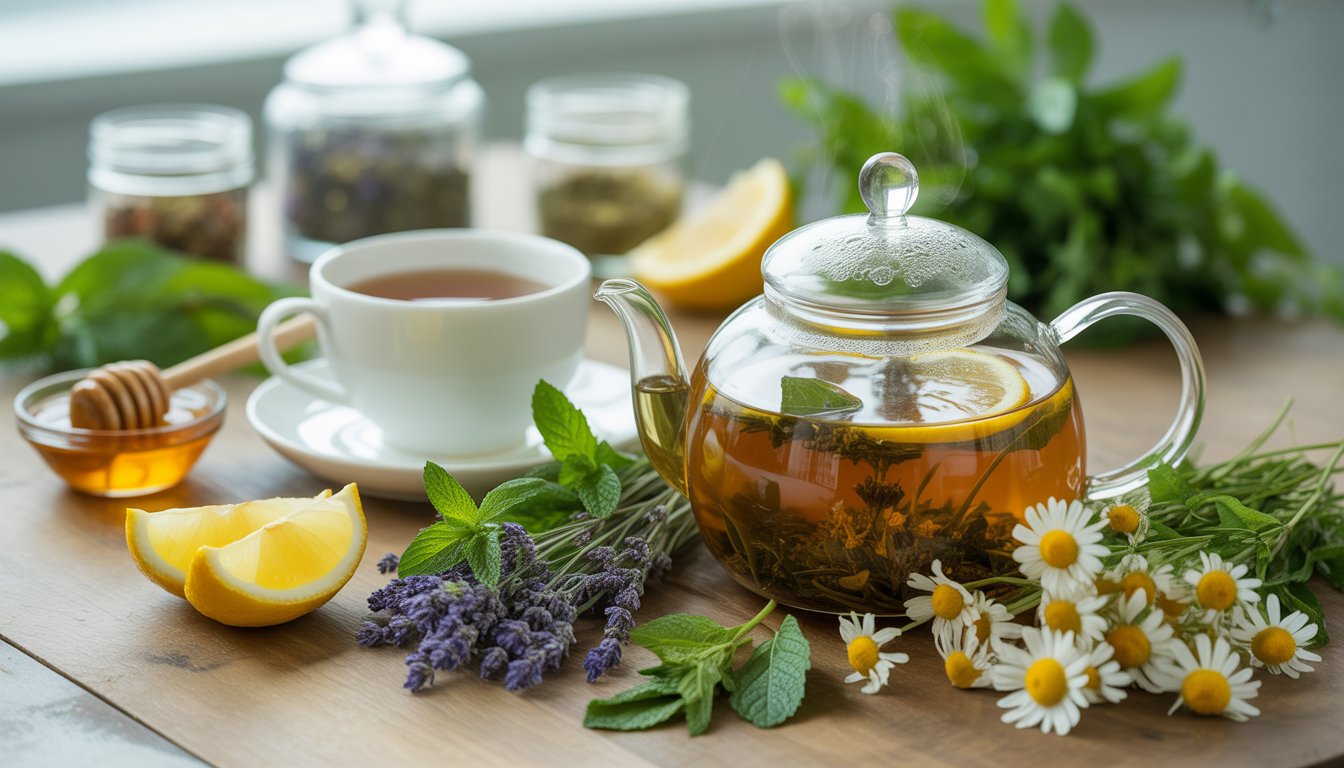
Herbal teas provide a broad spectrum of health effects that range from supporting the immune system to soothing specific ailments. Their uses often depend on the active compounds present, which vary based on the plant source. I find these natural brews valuable for targeted health support.
Medicinal effects of herbal teas
Herbal teas contain bioactive compounds like antioxidants, flavonoids, and essential oils that contribute to their medicinal properties. For example, chamomile is widely used for its calming effects, promoting better sleep and reducing anxiety.
Ginger tea contains gingerol, which can ease nausea and improve digestion. Many herbal teas act as mild diuretics or expectorants, helping to eliminate toxins or relieve congestion naturally.
These effects make herbal teas an accessible remedy for common issues while avoiding the side effects found in some pharmaceuticals.
Health conditions addressed
Specific herbal teas are linked to benefits for various health problems. Peppermint tea, for instance, is often used to relieve digestive issues like bloating and irritable bowel syndrome.
Hibiscus tea can help lower blood pressure, supported by studies confirming its cardiovascular benefits. Echinacea tea is popular during cold seasons for its immune-boosting potential.
While herbal teas can support these conditions, I always emphasize they complement, not replace, professional medical treatment when necessary.
Wellness and rejuvenation
Many people, including myself, drink herbal teas to maintain overall wellness and vitality. These teas can support hydration while delivering antioxidants that fight oxidative stress.
Herbal blends like rooibos and green rooibos provide minerals and polyphenols that promote healthy skin and mental clarity. Regular consumption often aligns with better energy levels and emotional balance.
Incorporating a variety of herbal teas into daily routines can enhance holistic wellness through natural, gentle means.
Anti-inflammatory properties
Inflammation is a root cause of many chronic diseases, and several herbal teas possess compounds that reduce inflammation. Turmeric tea, rich in curcumin, is notable for its anti-inflammatory effects.
Other herbs like ginger and chamomile contain substances that lessen inflammatory markers and soothe pain. I find these teas helpful in managing mild joint discomfort or seasonal allergies.
Drinking anti-inflammatory herbal teas regularly may contribute to long-term health by lowering the body’s inflammatory response.
Potential health risks and precautions
While herbal teas are generally safe, some can interact with medications or cause allergic reactions. For example, licorice root tea may raise blood pressure if consumed excessively.
Pregnant and breastfeeding women should consult healthcare providers before using certain herbs like peppermint or chamomile, which might not be safe in large amounts.
I advise monitoring your body’s response and sourcing quality herbal products to minimize contamination or inconsistencies. When used carefully, herbal teas offer safe and effective health benefits.
More detailed information about the medicinal uses and benefits can be found in this list of herbal teas and their medicinal uses.
How to Choose and Shop for Herbal Teas
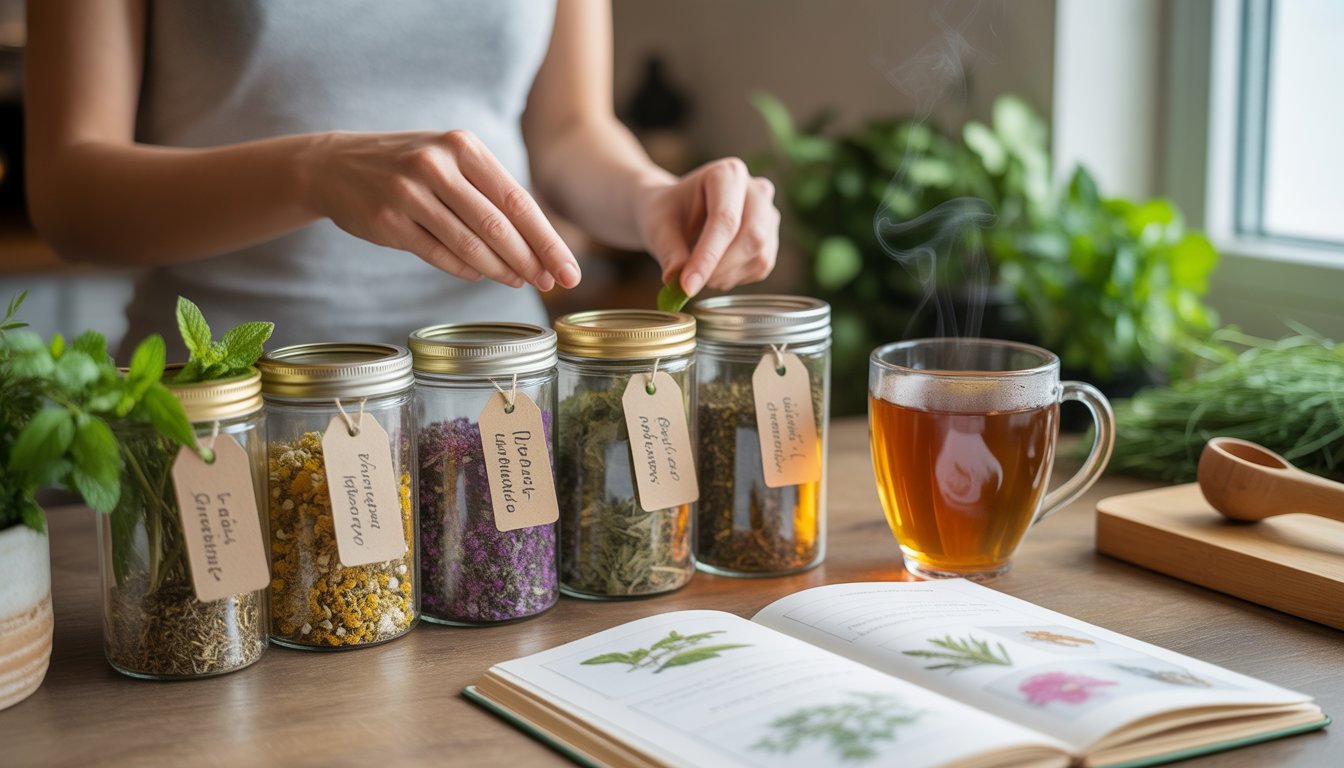
When selecting herbal teas, I focus on what the ingredients are, the type of products available, and how to match them with my taste and budget. I also consider how to verify quality and make informed purchases from trustworthy sources.
100% natural ingredients
I always look for herbal teas that list only natural ingredients without fillers or artificial additives. Single-ingredient teas help me understand exactly what I’m drinking and avoid surprises. Common herbs like chamomile or peppermint often come with documented benefits, so purity matters.
It’s important to check if the brand discloses sourcing details, such as where and how the herbs are grown and harvested. This transparency can reveal the product’s authenticity and encourage sustainable practices. Organic certification adds another layer of assurance for me.
Product types and collections
Herbal teas come in various forms: loose leaf, bagged, powdered, or blends. I prefer loose leaf because it maintains flavor and potency better, but bags offer convenience for quick brewing.
Brands often create collections targeting specific needs, such as relaxation, digestion, or immunity support. These curated blends save time by combining herbs with complementary effects. I pick collections aligned with my wellness goals to streamline choice.
Filtering by price and preferences
Price can vary widely depending on quality, origin, and packaging. I filter options based on my budget but never compromise on ingredient integrity for cheaper prices. Sometimes, paying more means fresher and more potent herbs.
Taste preferences also guide my selection. Floral, minty, or earthy notes affect how often I’ll enjoy the tea. Using filters on shopping sites to sort by flavor or health focus helps me narrow down the best match efficiently.
Buying tips and quality considerations
I buy from brands that clearly disclose harvesting, packaging, and storage methods. Proper handling preserves the tea’s aroma and health benefits. I avoid teas stored in plastic or with synthetic bags to prevent contamination.
Checking reviews and certifications is essential. I watch for organic labels, fair-trade practices, and allergen information. Sampling smaller quantities first lets me test flavor and effect before committing to larger purchases.
For more detailed guidance on selecting herbal teas, I refer to trusted brands and wellness-oriented retailers like Ultimate Guide to Herbal Tea: Australia’s Wellness Ritual.
Preparation and Consumption Tips
To get the best from herbal teas, precise brewing time and temperature matter. How you prepare and serve your tea impacts flavor and potential health benefits. Using the right tools and deciding between loose leaf or tea bags also affects your experience.
Brewing guidelines
I recommend using water just below boiling for most herbal teas, around 90-95°C (194-203°F). Some delicate herbs need cooler water to prevent bitterness. Steeping time varies: flowers like chamomile benefit from 5-7 minutes, while tougher roots like ginger require 10-15 minutes to extract compounds fully.
Always cover your tea while steeping to retain essential oils. Use about one teaspoon of dried herbs per 8-ounce cup. Adjust the amount based on personal taste and strength preference. Too short steeping yields weak flavor; too long may cause bitterness.
Using tea infuser pouches
Tea infuser pouches are convenient for single servings and reduce cleanup. I prefer reusable metal or silicone infusers over disposable pouches to control the herb quantity and allow leaves room to expand fully, enhancing flavor extraction.
When using infuser pouches, ensure the mesh is fine enough to hold small particles but broad enough for water circulation. Overstuffing pouches limits infusion and can restrict taste. After steeping, remove promptly to avoid over-extraction, which can produce astringency.
Loose leaf vs. tea bags
Loose leaf herbal teas offer fresher, more robust flavors because the whole or larger pieces of herbs retain more essential oils. I find loose leaf teas allow better control over the blend and quantity, improving potency.
Tea bags are more convenient and portable but often contain smaller particles or dust, which can result in a less complex flavor. Some bags include fillers or lower-quality blends. If you prefer tea bags, choose those with whole-leaf contents and avoid paper bags with added chemicals.
Serving suggestions
Herbal teas can be served hot or cold depending on the herb and season. I often enjoy them plain to appreciate subtle flavors or add a slice of lemon, honey, or fresh mint to enhance taste without overpowering the herb’s properties.
Avoid adding milk as it can mask herbal nuances and reduce absorption of some beneficial compounds. Using heat-resistant glass or ceramic cups preserves aroma and temperature better. Herbal teas are best consumed fresh, within four hours of brewing, for maximum flavor and benefits.
For detailed brewing techniques, see this guide on how to prepare herbal teas effectively.
Conclusion and Further Resources
Herbal teas offer a variety of health-related benefits supported by both traditional use and growing scientific research. Understanding their properties helps clarify how they may fit into everyday wellness routines. I will outline their primary health effects, suggest related topics for further exploration, and explain how I evaluated the information presented.
Summary of benefits
Herbal teas provide a natural source of bioactive compounds such as flavonoids, phenolic acids, and terpenoids. These substances can support antioxidant defenses and may contribute to reduced stress, improved digestion, and cardiovascular health. Many herbal teas are caffeine-free, making them suitable for different times of day or for those sensitive to stimulants.
Common herbal teas like chamomile, ginger, and hibiscus contain specific compounds known to soothe digestion, promote relaxation, and support heart health respectively. However, clinical evidence varies, and one should approach herbal teas as complementary rather than primary treatments.
I emphasize choosing high-quality herbs and being mindful of potential interactions, especially when combining teas with medications. The therapeutic potential of herbal teas continues to be an important subject in research, demanding stronger evidence for integration into mainstream healthcare systems. For a detailed view, see this scoping review on herbal teas.
Related topics and articles
If you want to deepen your understanding beyond herbal teas, consider exploring topics like natural antioxidants, the role of polyphenols in human health, and traditional medicine systems that incorporate herbs regularly.
Articles that discuss the interaction between herbal compounds and the human microbiota provide useful insights into mechanisms behind health benefits. Exploring processing methods of herbal ingredients also reveals how preparation affects potency and safety.
Additionally, guides covering specific herbal teas and their medicinal uses offer practical knowledge on which teas can support different health conditions. For comprehensive insights into therapeutic potential and chemical makeup, you might find this detailed analysis especially valuable.
How I reviewed this article
I approached this article by synthesizing current research from peer-reviewed studies and authoritative reviews. Priority was given to sources that analyze both clinical efficacy and safety profiles of herbal teas.
I avoided sources that overstate benefits without scientific backing. Instead, I focused on balanced information highlighting known bioactive compounds and documented health effects while acknowledging gaps where more evidence is needed.
The review process included cross-checking chemical compositions, traditional uses, and recent scientific findings to ensure accuracy. I also emphasized clear, neutral language, aiming to provide practical, evidence-informed guidance suited for readers interested in health and wellness.