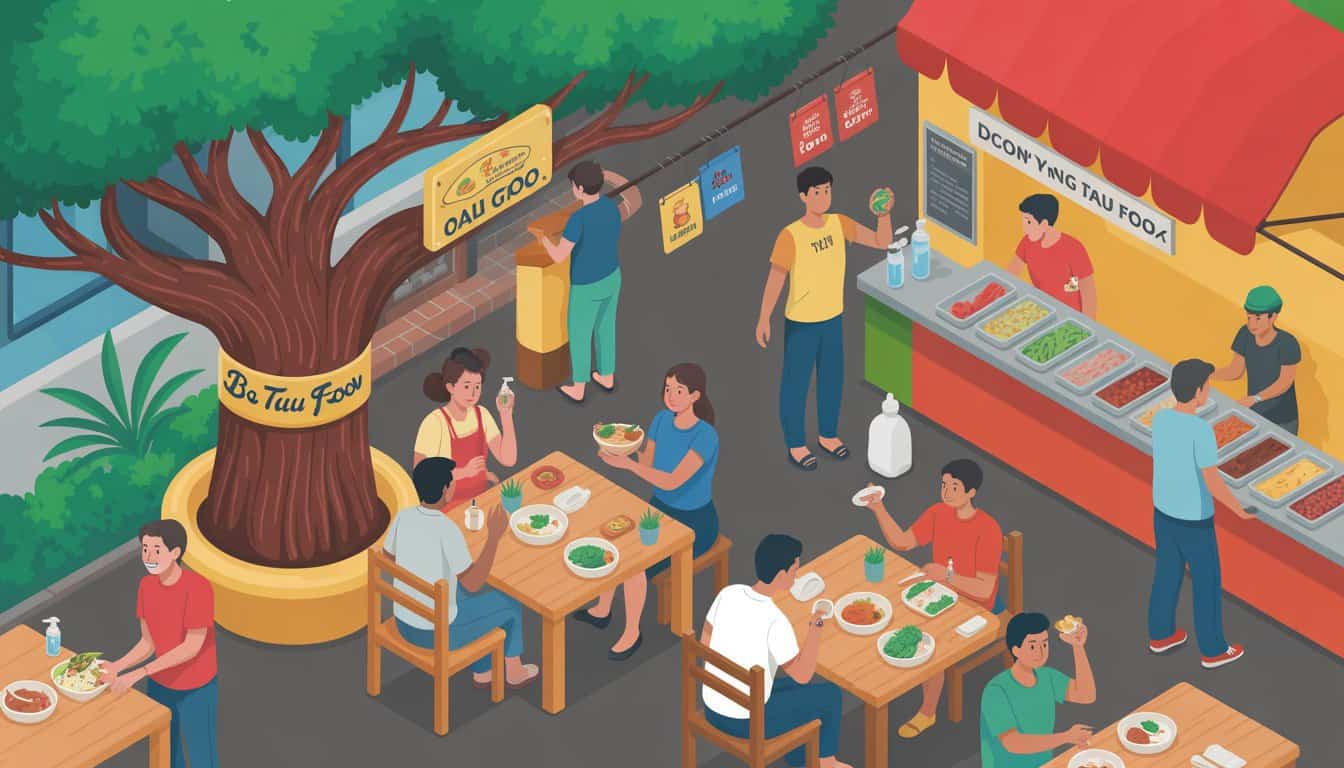
If you’ve heard locals say “Let’s eat under the big tree in Ipoh,” they’re talking about the legendary Big Tree Foot (Dai Shu Geok) yong tau foo spot. In this full, first-person review, I walk you through the entire journey so you know exactly how to arrive, order, eat, and pay smoothly. I’ll highlight safety, hygiene, and service (the real USP here), and sprinkle in some Malaysian slang so it reads like a friend’s advice, can or not?
Introduction
I’ve visited Big Tree Ipoh multiple times over the years, and I went again in 2025 to see what’s changed. Short answer: the charm is intact, the food is still syok, and the setup is more organised than ever. Before I went, I did my homework on my desktop—bigger screen, easier to scan photos, read recent reviews, and check parking tips. For first-timers, that little bit of prep really helps. Think of it like getting ready for a smooth experience by knowing the flow.
Big Tree Ipoh isn’t fancy dining—it’s casual, fast, and packed with locals. You pick your yong tau foo items, pair them with noodles or chee cheong fun, grab drinks, then pay at the cashier. It’s a system that just works, especially during busy periods. Along the way, you’ll notice the staff are surprisingly attentive. Service is their strong point, the kind of customer support that makes first-time ordering easy. With clear counters, visible pricing, and a straightforward checkout, you’ll feel at home.
Why Is This Place So Famous?
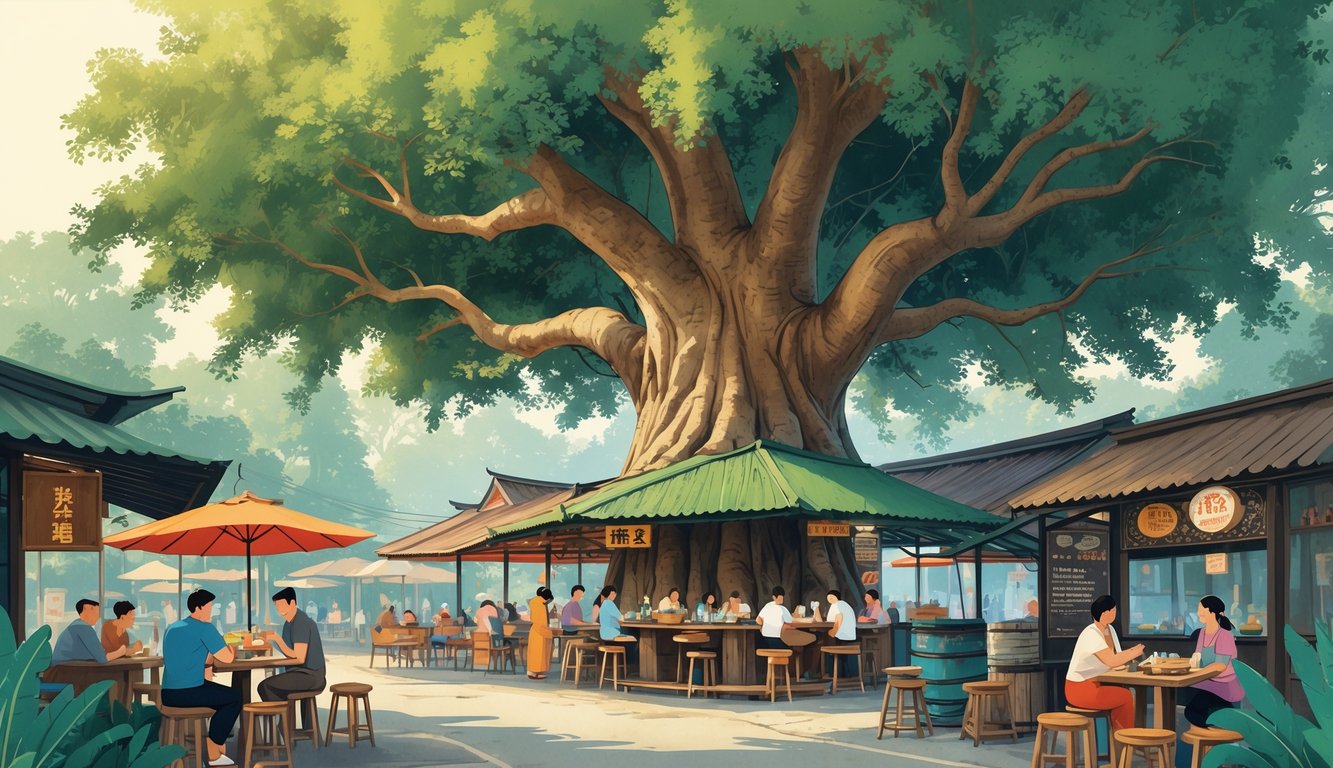
Big Tree Ipoh is famous for two things: the setting and the selection. First, the setting—eating under (or near) the giant tree is a vibe. It’s old-school Ipoh, where the canopy gives shade and the atmosphere hums with chatter. Second, the selection—rows of freshly fried and boiled yong tau foo, stuffed tofu, brinjal, bitter gourd, fish paste goodies, plus noodles and chee cheong fun. You choose what you want, your way. This “curate your own meal” style makes it great for groups and for picky eaters too.
The place also has staying power. Year after year, locals bring visiting friends here because it’s a reliable snapshot of Ipoh street food culture. In 2025, I noticed the operational flow is even more streamlined: clearer signage, faster payment, and better tray management. Hygiene stations are more visible, and tables are cleaned fast. That’s key for safety-conscious folks—whether you’re dining with kids or just prefer a tidy setup. And compared to many tourist-only spots, prices here are still relatively down-to-earth.
About This Place
Ease Of Parking
Parking around Big Tree Ipoh can be a little tight during peak hours (late breakfast and lunch rush). I usually plan to arrive a bit earlier. Street parking is the norm—keep some Touch ‘n Go card balance or small change handy if you need it. Safety-wise, I avoid double-parking and try to park in brighter, more open areas. The crowd turnover is high, so a spot often frees up if you do one extra loop, sabar sikit. If you’re going as a group, drop passengers first, then one person goes hunting for parking—this saves time and keeps everyone comfortable.
Ambiance
This isn’t a quiet café. It’s open-air, bustling, and lively—classic hawker energy under tree shade and makeshift roof extensions. Ventilation is good, and even when it’s crowded, you don’t feel boxed in. You’ll hear woks clanging, orders being called, and the constant movement of trays. It’s energetic and very Ipoh. Personally, I love that the seating is mixed: smaller tables for couples and bigger ones you can share. The vibe makes it easy to eat fast and move on, which helps keep queues manageable.
Service
Service is where Big Tree Ipoh feels like it has proper “customer support.” Aunties and uncles are on standby to help first-timers: where to queue, how to pick items, where to pay, and how to request soup or sauces. The cashier is efficient, and the staff clear tables quickly. If you look a bit lost, someone will usually guide you without you even asking—very Malaysian hospitality. During my 2025 visit, I saw them gently remind customers to keep the queue flowing and to steady hot bowls—small touches that show they care about safety and experience.
What You Can Order Here
Here’s the fun part: you walk up to the yong tau foo display with your tray and tongs, then pick your items—stuffed tofu, fish balls, brinjal, chilli, bitter gourd, fried wantans, and more. After that, choose your carbs: dry noodles with dark soy sauce, curry noodles, or chee cheong fun with sweet sauce and chilli. Most items are priced per piece; your bill will vary based on how adventurous you get. Drinks are at a separate counter—iced barley, lime juice, herbal tea, or the classic white coffee.
Pro tip: Don’t overload your first round. It’s easy to get excited and tambah-tambah everything. I like to do a “starter” plate of 6–8 pieces plus noodles. If still hungry, a second round keeps everything hot and crisp. Also, the condiments corner is a highlight: chilli dips, sweet sauce, and sometimes a light soup you can ladle. These little extras elevate the meal without any hassle.
Food To Try In Ipoh
If it’s your first time in Ipoh and you’re using Big Tree as home base, here are a few “must-tries” in the vicinity and across town that pair nicely with your Big Tree stop:
- Yong Tau Foo at Big Tree: Go for the stuffed brinjal and bitter gourd, plus a mix of fried and boiled items for texture.
- Chee Cheong Fun: Smooth, delicate rice rolls; try with a combo of sweet sauce and chilli for that balanced kick.
- Ipoh White Coffee: Smooth, aromatic, best taken kurang manis if you’re watching sugar.
- Gai See Hor Fun: Silky chicken shreds and prawns in a delicate broth; try a nearby specialist if you have time.
- Tau Foo Fah: Silken soy pudding—light dessert to end your yong tau foo feast.
Sequence tip: arrive and secure a seat, pick your items and noodles, enjoy the meal with sauces and soup refills, settle the bill at the cashier, then tapau any last cravings for later. It’s a rhythm you’ll nail by your second visit.
Pricing
Prices in 2025 still feel fair for the quality and setting. Most yong tau foo pieces hover around the low single-digit RM range, and a satisfying meal with noodles and a drink often lands around the mid-teens to low twenties depending on how much you pick. Below is a guide based on my latest visit and typical ranges I observed. Note: final prices depend on what ends up on your tray.
| Item | Typical Price (RM) | Notes / Bonus |
|---|---|---|
| Yong Tau Foo (per piece) | RM1.80–RM3.00 | Fried items cost slightly more; mix for variety |
| Noodles (dry/clear soup/curry) | RM3.50–RM6.00 | Dry soy sauce noodles are a crowd favourite |
| Chee Cheong Fun | RM4.00–RM6.50 | Add chilli and sweet sauce combo for balance |
| Drinks (iced barley, herbal tea, etc.) | RM2.50–RM5.00 | Ask for kurang manis if you prefer |
| Soup/Condiments | Usually complimentary | Self-serve; check station for ladles/spoons |
Cash and popular e-wallets are commonly accepted, and I noticed the cashier handles cashless quickly. For safety and convenience, I keep small notes and my e-wallet ready. If you’re planning a big group order, it helps to split the bill by tray to avoid payment confusion.
Beware Of Copycats
Because “big tree Ipoh” is famous, a few places try to ride the name. The original vibe is unmistakable—giant tree, long-established stalls, and a steady crowd with fast tray turnover. Look out for clear signage and the classic yong tau foo spread. If a spot seems quiet, lacks variety, or prices are oddly inflated, it might be a pretender. When in doubt, ask a local or a staff member about the stall heritage—most are proud to share. This protects you from disappointment and keeps your experience authentic.
Allergy and dietary tip: yong tau foo often contains fish paste and might share fryers and utensils. If you have allergies, declare them clearly. The team is helpful, but it’s still a hawker environment—so your vigilance matters. As always, when something looks off, skip it. Safety first, makan happily later.
Conclusion
Big Tree Ipoh remains a classic—casual, lively, and backed by genuinely helpful service. The ordering flow is intuitive, the prices fair, and the condiments feel like little bonuses that make the meal more shiok. I recommend doing light desktop research before you go (photos, parking notes), then on-site just follow the tray, queue politely, and you’ll be sorted. If you love customisable meals and authentic local energy, this is your must-stop in Ipoh.
Quick CTA: If you’re the mobile-first type, keep your e-wallet ready and save your notes on your phone. Some stalls experiment with QR menus and cashless perks. When an official mobile-ordering app appears (it’s a trend in 2025), give it a try for faster checkout—super convenient if you’re juggling kids or tapau orders.
FAQs
Where exactly is Big Tree Ipoh and how do I know I’ve found the right one?
It’s the famous yong tau foo spot locals call Dai Shu Geok—the one with the massive tree, a busy open-air seating area, and a wide, well-stocked yong tau foo spread. Look for a steady crowd, fast tray turnover, and clear noodle and drink counters. If it feels quiet, limited, or overpriced, you may be at a copycat.
Is Big Tree Ipoh halal?
It’s a Chinese hawker environment and generally not halal-certified. Muslim diners may prefer to visit other halal-certified eateries nearby. Always check with the stall if you have specific requirements.
What are the opening hours and best time to go?
Typical hours are morning to mid-afternoon, with peak late-morning and lunch rush. For easier parking and shorter queues, go earlier in the morning or slightly after peak. Hours can shift during holidays, so do a quick desktop check before you head out.
Do they accept cashless payments?
Yes, cash and popular e-wallets are commonly accepted. I’ve paid cashless without issues in 2025. Keep a bit of cash just in case one of the smaller stalls has connectivity hiccups.
How much should I budget per person?
For a satisfying plate of yong tau foo (6–8 pieces), noodles or chee cheong fun, and a drink, budget around RM15–RM25 depending on your appetite and choices.
Any safety or hygiene tips?
Pick items that look fresh and hot, and mind the condiments area. Secure your bag, avoid double-parking, and carry small notes/e-wallet for quick payment. If you have allergies, declare them clearly and avoid shared-fryer items.
Similar Posts
Where To Find Amazing Tau Foo Fah In Ipoh
Craving something silky and light after a savoury feast? I round up the tau foo fah stalls that deliver smooth texture, gentle sweetness, and fair prices—perfect to cool down on a sunny Ipoh afternoon.
Where To Find Delicious Ipoh Food Like A Local
From kopitiams to family-run stalls, this guide maps out a local-style makan trail. Use your desktop to mark a route, then pivot on the go with your mobile for spontaneous detours.
Nam Heong Eatery – Traditional Coffee Shop In Ipoh Old Town
A deep dive into one of the most recognisable old-town kopitiams: what to order, how to beat the queue, and the best time to savour that iconic white coffee kurang manis.
Moon De Moon – Famous For Gai See Hor Fun And White Coffee
We unpack the silky chicken koay teow soup, compare portion sizes, and highlight smart ordering tips so you get maximum satisfaction without overstuffing.
What It’s Like To Dine At Thean Chun Restaurant In Ipoh
Classic old-town ambiance with a heritage feel—caramel egg custard, satay, and the bustling charm that makes Thean Chun an old favourite.
Local-Approved Famous Spots For Breakfast In Ipoh
From dim sum to kaya toast, this breakfast list is the perfect starting point for your day trip. I include budget guidance and simple safety notes so you can chow down with peace of mind.